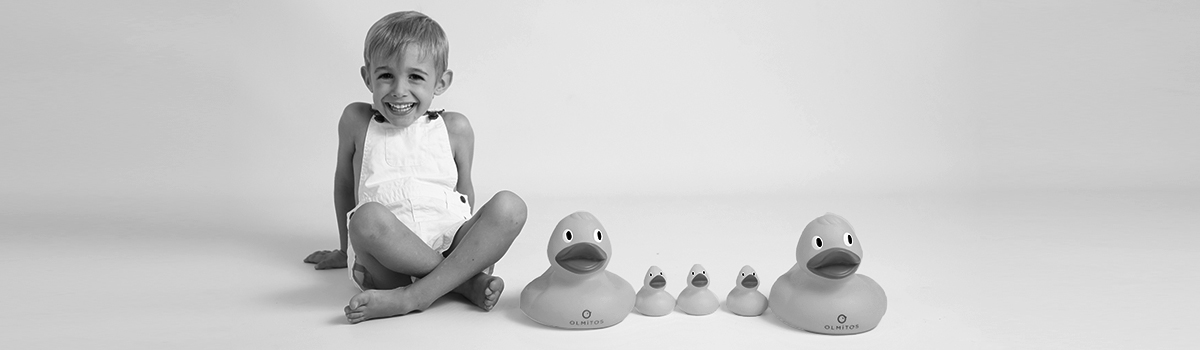
If we want our children to be responsible and independent, we must treat them as such from a young age. One way to achieve this is by involving them in household chores.
ULTIMAS ENTRADAS
-
Household chores for children according to their age: 1. 2-3 years old: - Put toys away. - Help with simple tasks like dusting or wiping surfaces. 2. 4-5 years old: - Set the table. - Help feed pets. - Put dirty clothes in the hamper. 3. 6-7 years old: - Make their bed. - Water plants. - Help with simple food preparation. 4. 8-9 years old: - Sweep floors. - Fold laundry. - Empty small trash cans. 5. 10-11 years old: - Vacuum. - Load and unload the dishwasher. - Help with meal planning. Remember to always supervise children while they are doing chores and praise them for their efforts.Read more -
Baby lag refers to the disruption in a baby's sleep patterns that can occur when traveling to a different time zone. Just like adults can experience jet lag when traveling long distances, babies can also have difficulty adjusting to a new schedule.Read moreThis lack of sleep experienced by parents while taking care of their baby is known as "baby lag," a term adapted from the Anglicism used to describe the internal clock imbalance caused by airplane travel, known as "jet lag."
-
Family vacationRead moreWe are fully immersed in the months of the quintessential trips. Although people are traveling more and more at any time of the year, it is the summer months that continue to concentrate the highest number of trips.
-
The baby's first wordsRead moreetapas por las que pasa un bebé antes de aprender a hablar son un entrenamiento para alcanzar este fin. Los bebés, desde que nacen, se comunican a través del llanto, de los gestos y de la sonrisa.
-
The Baby Blues is a temporary and mild form of depression that some women experience after giving birth. It is characterized by feelings of sadness, mood swings, irritability, and crying spells. The Baby Blues usually begin a few days after childbirth and can last up to two weeks. It is a common and normal response to the hormonal changes and emotional challenges that come with having a baby.Read moreThe increase in estrogen and progesterone levels that occurs after childbirth can influence a woman's emotional state, leading to what is known as baby blues. This term refers to the emotional disturbance that occurs in a woman after giving birth.
-
Healthy lifestyle habits and childrenRead moreCan a healthy lifestyle be taught to children? Yes, and it can be done without dying in the attempt.
-
Baby skin care in summerRead moreThe sensitivity of babies' skin makes them one of the most vulnerable groups to suffering burns and heat strokes during the summer, so it is necessary that we take the appropriate measures to prevent it.
-
Keys to choosing a summer camp for your childRead morepara que finalice el curso escolar y muchos padres ya tienen un plan para que sus hijos pasen parte del verano hasta que puedan disfrutar de las vacaciones familiares. Se trata de los campamentos de verano.
-
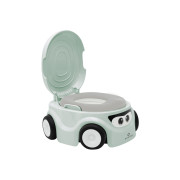
Methods for potty trainingRead moreTo help you with the "potty training operation," there are several methods that we are going to detail in this post. These are the Montessori method and the Fellom method.
-
7 gifts for a communionRead moreIn the era of technology, the most cutting-edge gifts are technological ones; mobile phones, game consoles, video games, tablets, computers... but there are 7 classic gifts that should not be missing in a communion and that never go out of style:
-
Babies usually start crawling between 6 and 10 months of age. However, some babies may start as early as 4 months, while others may not start until after their first birthday. Each baby is different, so there is a wide range when it comes to when they begin crawling.Read moreCrawling usually occurs between 6 and 10 months, but you should know your baby's limits and not compare them to other babies, as each one has their own development.
-
Keys to safe babywearingRead moreWhen being carried, the baby is in direct contact with their parents, feeling their body heat and hearing the heartbeat, which helps the baby feel more secure, sleep better, and strengthens the bonds between the parents and the baby.