How to prevent post-holiday blues in children
According to a study conducted by the Spanish Society of Family and Community Medicine, between 5 and 8% of children suffer physical and psychological consequences due to the end of vacations. This is commonly known as post-vacation syndrome.
Within that percentage, this syndrome manifests itself in each child in different ways and intensities. The most common symptoms are fatigue, tiredness, apathy, drowsiness, lack of appetite, stomach discomfort, sadness, irritability, sleep disorders, and even lack of concentration.
Keep in mind that post-vacation syndrome is not a classified disease in classification manuals, so the symptoms will disappear between two days and one week. You should only be concerned if after several weeks the child still doesn't want to go to school or has some of the mentioned symptoms. It may likely be due to another reason that needs to be addressed.

Tips for a worry-free return to school
- Maintain a positive attitude towards the end of vacations and the start of the school year. Returning to our routine is necessary to then enjoy vacations again. Also, returning to school means that children will reunite with classmates, teachers, and resume the activities they enjoy. Parents should maintain this positive attitude and convey it to their children, who will soon forget about the tough days of returning to school.
- Establish schedules and routines a few days before the start of the school year. For example, set a bedtime and wake-up time to adjust sleep hours after vacations. It also helps to return to normal meal times, dinners, and bathing routines.
- Review the content learned in the previous year: reading, dictations, etc. This will not only help refresh their memory but also help them internalize the work moments that await them.
- Reconnect a few days before with friends and classmates from school to get used to their company and accept the days ahead for new adventures.
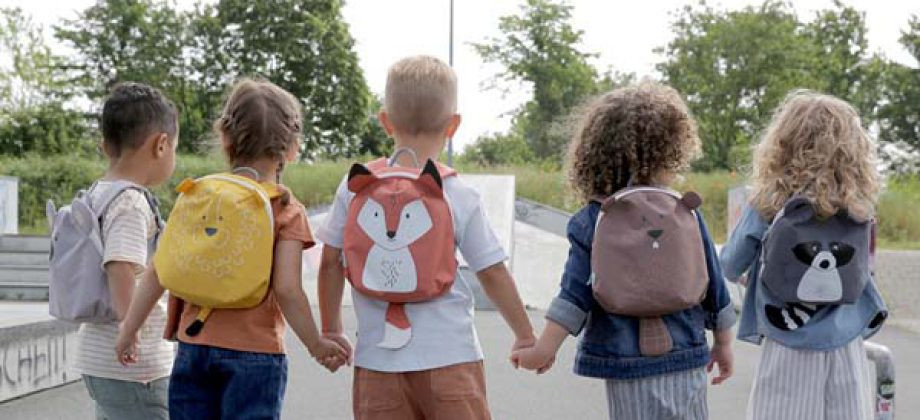
- Involve children in preparing for the new school year. Buy school supplies together: books, notebooks, backpack, pencil case, uniform, etc. Having new things can be a motivation for the child.
- Avoid stress
- Communicate assertively, without shouting, and empathize with the children. Just as returning to work after vacations is tough for adults, it is also tough for children to return to school.
- Maintain some aspects of vacations for a few days, like playing outside until before dinner. Gradually returning to the routine without abruptly breaking from the vacation mode helps make the transition easier.
Of course, each child adapts to the routine in their own way, some find it harder than others, so support may be needed to varying degrees.
Are your children those who accept changes easily? What are your tricks to help them return to school?
Leave a comment
Log in to post comments