Attachment parenting
If you are pregnant or have young children, you have probably heard of attachment parenting. Although it is not new, as it began to develop after World War II by the British psychoanalyst John Bowlby, it is very popular today. Thanks to numerous specialists and studies carried out by them, we have been able to gradually understand the positive effects that following a parenting based on closeness and continuous attention has on the child.
Attachment theory is a psychological model that explains the emotional bonds and connections that infants form with their primary caregivers, usually parents. This theory suggests that these early attachment experiences have a significant impact on a child's emotional and social development throughout their life.
According to this psychoanalyst, the Attachment theory "It is a way of conceptualizing the tendency of human beings to create strong emotional bonds with certain individuals in particular, and an attempt to explain the wide variety of forms of emotional pain and personality disorders, such as anxiety, anger, depression, and emotional detachment that occur as a result of unwanted separation and emotional loss. In other words, Attachment Theory studies the bonds that are created between the baby and their parents or caregivers, and the effects that emotional loss or separation has on them."
During the first years of a baby's life, they need to feel secure and that is why they seek refuge in another person. It is in these moments when emotional bonds are formed with the person who meets their physical and emotional needs. Attachment parenting is a philosophy of natural and patient parenting, offering love, understanding the baby's needs, and making them feel secure to create a strong connection and lay the foundation for them to have empathetic relationships as adults.

The basic principles of attachment parenting
To establish this philosophy, you have to follow 8 basic principles called the "8 Bs," named in English.
- BIRTH BONDING or Emotional Connections from Birth
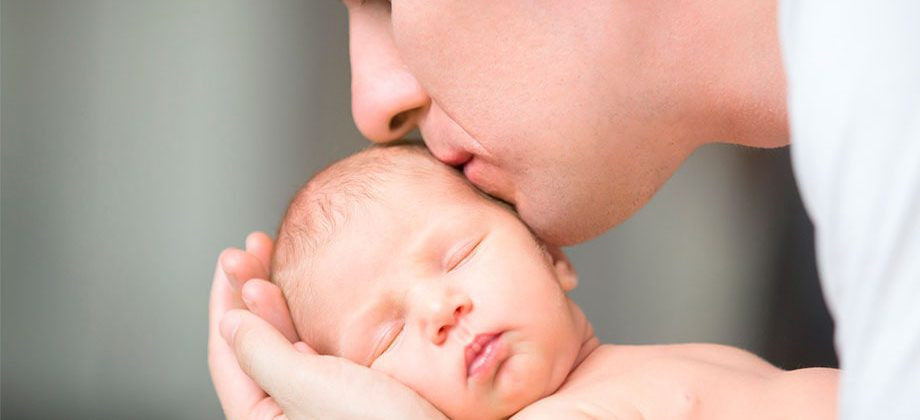
Emotional bonds should be established from the moment of birth, promoting skin-to-skin contact between the mother or father and the baby.
- BREASTFEEDING or Maternal breastfeeding
According to the WHO, breast milk is the most complete nutritional food that a baby can consume, which is why it is recommended to exclusively breastfeed for at least the first six months of life. In addition, whenever possible, it is recommended to start breastfeeding right after birth, thus promoting the bond that is created with the mother from the moment of birth.
- BABYWEARING or Carrying the baby in your arms
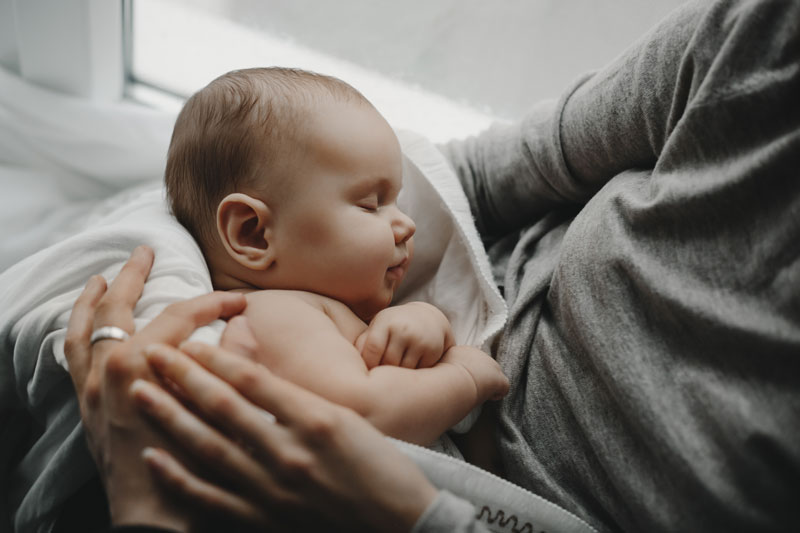
A baby who has spent 9 months in the mother's womb feels more protected when carried by their parents, either in their arms or with the necessary tools for safe babywearing. This way, we can help the baby feel less stressed and rest better.
- The text you provided does not seem to have a clear meaning in Spanish. Could you please provide more context or clarify the text? practicing co-sleeping
Sleeping close to the baby prevents the separation anxiety that the baby may experience, providing tranquility and security. It also promotes breastfeeding for the baby being nursed, as they have access to the breast at any time.
- Belief in the language value of your baby's cry
The baby communicates with us through crying: when they are hungry, when they are sleepy, when they need their diaper changed, when they are cold... but also when they need cuddles, security, or to be in contact with their parents. It is important to know how to interpret this crying in order to meet their needs at each moment.
- BEWARE OF BABY TRAINERS or be flexible when instilling habits in the child
Attachment parenting is not a rigid form of parenting; it should be flexible when instilling habits in the baby. This means not forcing the baby to sleep or eat when they don't want to, but it also doesn't mean that certain routines shouldn't be established to help them get used to daily life.
- BALANCE or maintain balance
One must know how to maintain a certain balance so that education is neither too restrictive nor too permissive. One must guide, not impose, show them the natural consequences of their actions, and teach them the value of respect and education, taking into account their needs.
- BOTH mom and dad (both) participate in taking care of the baby.
The participation of both figures, father and mother, should be equitable both during the day and at night. Creating an environment of safety and trust between parents ensures the same relationship of respect with the baby.
Leave a comment
Log in to post comments