Healthy lifestyle habits and children
Can a healthy lifestyle be taught to children? Yes, and it can be done without dying in the process.
According to the latest study on the pediatric population, Aladdin 2015, It is noted that 23.2% of Spanish children are overweight and 18.1% are obese. These numbers are increasing along with the time they spend in front of electronic devices and the lack of reading and physical exercise. But the right question is... Can this be solved? Can we do something to prevent it? Of course, but we must teach them healthy lifestyle habits from an early age that allow them to grow optimally.
How to teach children healthy habits
The fundamental pillars on which to educate children to follow a healthy lifestyle are the following:
- Nutrition
- Physical exercise
- Rest
- Hygiene
- I study
- Emotional intelligence
What do you think is more important? According to some studies, it has been proven that nutrition is the foundation of everything, what enables you to carry out the rest.
Healthy eating

Maintaining a balanced diet is the foundation for achieving a healthy lifestyle. If you want your children to eat healthily, you should lead by example and consume the same nutritious and balanced diet. It is well known that children learn by imitation.
The nutrition experts from the Harvard University They have created a guide for preparing healthy and balanced meals. Therefore, half of the plate should be composed of a variety of fruits and vegetables, a quarter should be protein (egg, fish, meat, legumes...), and the other quarter should be made up of carbohydrates, preferably in the form of whole grains.
In this link You can find some very original ideas for the little ones to enjoy eating the dreaded vegetables.
Regular physical exercise

Creating sports habits in children is the best way to ensure that they will continue doing it when they are adults.
At first, you should engage in fun physical activities with them, as this will create a bond between parents and children, as well as a connection with sports.
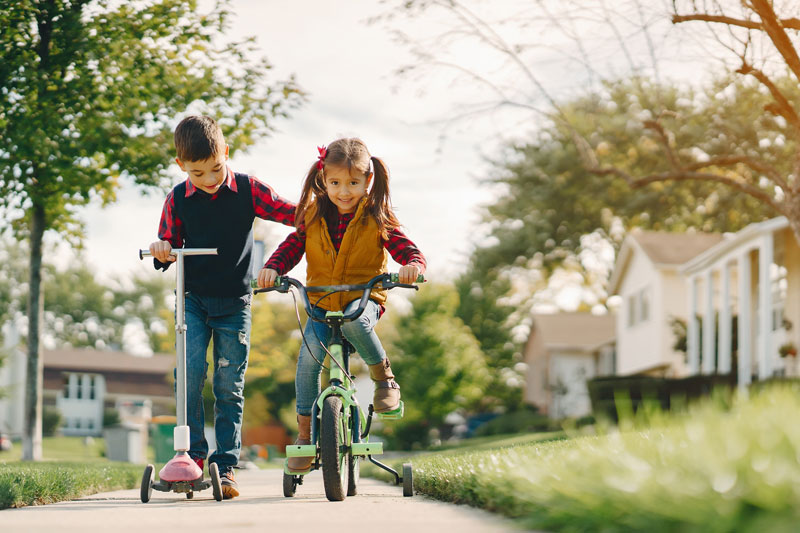
Choose outdoor activities such as biking, running, swimming, walking... guide You can see the appropriate age to practice certain sports.
Rest time
Although it is very important to stay active, resting is also essential. That's why quiet and peaceful environments should be created to promote the child's relaxation and restful sleep. Establish sleep routines and ensure that the child sleeps the appropriate amount for their age.
How much should my child sleep according to his age? Below we share a table created by guiainfantil.com The recommended hours of sleep for babies up to 5 years of age are established by health professionals, including pediatricians and sleep experts. Generally, the guidelines are as follows: - Newborns (0-3 months): 14-17 hours per day - Infants (4-11 months): 12-15 hours per day - Toddlers (1-2 years): 11-14 hours per day - Preschoolers (3-5 years): 10-13 hours per day It's important to note that individual sleep needs may vary, and it's essential to observe your child's behavior and adjust their sleep schedule accordingly.
Daily dental and body hygiene

Acquiring hygiene habits is essential for our well-being and helps prevent children from getting sick.
Few children enjoy brushing their teeth, however, it is very important for parents to dedicate time to teach this to the little ones. It is advisable to do it after each meal, or at least after the most important meals of the day such as breakfast, lunch, and dinner.
Washing hands is another important point when it comes to maintaining proper bodily hygiene. It is important to teach them to do it before and after going to the bathroom, before eating, after using tissues, playing with their toys, going to the park...
If you do it with them, it will be more enjoyable for them. And if these methods don't work, there are always games. Do you want to know what games you can play? In this link There are ideas that will inspire you.
Promote reading and organization.

Creating reading habits will make it much easier and more natural for them to study and learn later on.
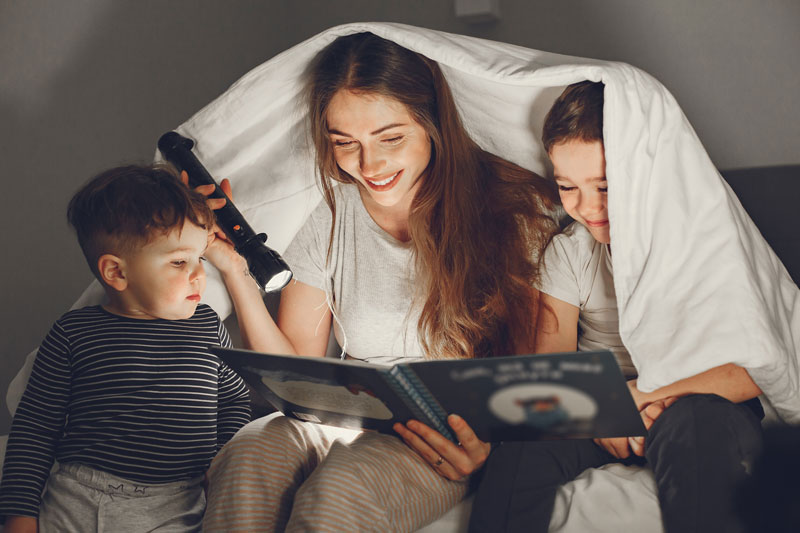
Start from early childhood by telling them bedtime stories or filling the house shelves with children's books.
In this "post" can refer to a few different things in English. It can mean to send something in the mail, or it can refer to a message or piece of content shared on social media or an online platform. Can you provide more context so I can give you a more accurate translation? We will tell you in detail why reading is important and how to introduce the habit of reading to the youngest ones.
Reading in childhood is as important as teaching them to be organized. Being organized will allow them to be more autonomous in their adult life. Additionally, it is the first habit that a child can acquire, as their sensitive period is experienced between the ages of 2 and 6, serving as the foundation upon which all other habits are built.
Emotional intelligence
Many problems in adolescence or adulthood arise from improper management of emotions. Knowing how to manage them will determine how we face life. It is not an innate ability of the human being, so we must work on it from a young age.
In this "POST" is an English word that can have different meanings depending on the context. It can refer to a job position, a message or image shared on social media, or the action of sending mail or packages. In the "Club Peques Lectores" they teach 30 activities to work on emotions with children in a fun and gradual way. What do you think?
Promoting a healthy lifestyle in our children is key for them to become healthy and happy adults. Do you already practice this at home?
Leave a comment
Log in to post comments