How to choose the baby's pacifier?
By Andrea Plana González, speech therapist (reg. no. 09/588) specialized in Orofacial Motricity and breastfeeding consultant.
A pacifier can be a great ally in the first months of our baby's life, but it's important to have some basic knowledge about its purpose, how to use it, what type to choose, and when to stop using it.
Although some people believe that the pacifier is harmful, I must say that it has many benefits. It helps calm children's anxiety and soothes them, exercises the sucking pattern, and reduces the incidence of Sudden Infant Death Syndrome (SIDS), among other benefits.
Just like everything else, it should be used in moderation. That's why, according to the Spanish Pediatrics Association, continuing its use beyond one year is not advisable, as it could lead to dental malformations and alterations in orofacial functions (atypical swallowing) and may eventually require orthodontic and speech therapy treatment. Other organizations and professionals extend its use up to 2 years, but never beyond that age.
Here are some recommendations:
- If you have chosen to exclusively breastfeed your child, I recommend not using a pacifier until breastfeeding is established, which is usually around the first month of life.
- Pacifier sucking is always preferable to thumb sucking, as a pacifier can be taken away over time, while fingers will always be close by and it will be much more challenging to eliminate that habit.
- Offering a pacifier is not the only way to calm a baby; there are other methods such as skin-to-skin contact or non-nutritive sucking through the breast that can also soothe them.
- In cases of Formula Feeding, pacifier use is recommended for SIDS prevention since they do not have the calming and protective option of breastfeeding.
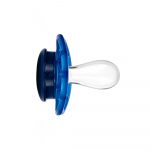
Symmetrical nipple
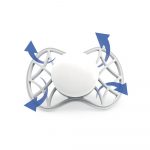
Ventilated shield
Tips for choosing the best pacifier
Before buying a pacifier, we should know some basic principles:Size: always use the smallest size (0-6 months) even if the child is older.
- Physiological shape: closest to the mother's nipple. It should be symmetrical, meaning the same shape on both sides. Avoid rounded nipples (cherry-shaped).
- Material: it is recommended to be made of silicone instead of latex.
- Incisor union: the connection between the pacifier shield and the nipple should be as thin as possible.
- Neck: as long and flat as possible.
- Ventilation: ventilation holes in the pacifier make it more respectful of the peribuccal area.
- Flexibility: the nipple should be as flexible as possible.
- Ring: it is recommended not to have one, as it can be dangerous.
- Avoid using pacifier clips, or if used, they should be made of lightweight fabric to prevent the pacifier from being forcefully expelled.

Leave a comment
Log in to post comments