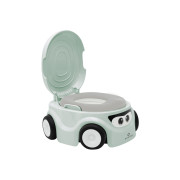
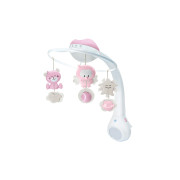
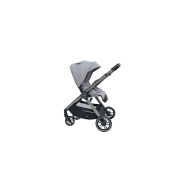
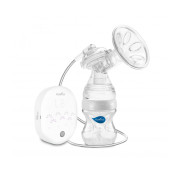
La autonomía en los bebés no aparece de un día para otro: se construye poco a poco, con paciencia, repetición y, sobre todo, oportunidades para explorar el mundo por sí mismos. Los productos adecuados pueden acompañar este proceso, haciéndolo más fácil, seguro y natural. En esta guía te contamos cómo fomentar la autonomía del bebé a través de objetos cotidianos que inspiran confianza y aprendizaje.
Curiosidades
-
Cómo preparar la casa para la llegada del bebéRead moreLa llegada de un bebé transforma por completo la vida… y también la casa. Los futuros padres suelen sentir una mezcla de ilusión y nervios mientras preparan el hogar para recibir al nuevo miembro de la familia. Tener todo listo no significa llenar cada rincón de cosas, sino crear un ambiente seguro, ordenado y tranquilo donde el bebé pueda crecer y la familia pueda disfrutar de esta nueva etapa. Aquí te dejamos una guía clara y práctica para preparar tu casa antes del gran día.
-
Baby talk or how to talk to a babyRead moreHave you noticed how you and your surroundings speak to the baby? The way adults address a baby is completely different from when speaking to other adults. We use a special intonation, include diminutives, the tone of voice is usually higher... This way of talking to a baby is known as baby talk.
-
Parental rights for caring for sick childrenRead moreOne of the main concerns of parents during the school year is that their children do not get sick, especially when both parents work. This dilemma is accentuated in winter, as it is the time when most common illnesses that affect children such as bronchiolitis, laryngitis, gastroenteritis, etc., appear.
-
Gifted childrenRead moreThe WHO establishes that gifted individuals are children with an intelligence quotient equal to or greater than 130 and who possess exceptional abilities in all areas and aspects of intelligence.
-
Baby lag refers to the disruption in a baby's sleep patterns that can occur when traveling to a different time zone. Just like adults can experience jet lag when traveling long distances, babies can also have difficulty adjusting to a new schedule.Read moreThis lack of sleep experienced by parents while taking care of their baby is known as "baby lag," a term adapted from the Anglicism used to describe the internal clock imbalance caused by airplane travel, known as "jet lag."
-
The baby's first wordsRead moreetapas por las que pasa un bebé antes de aprender a hablar son un entrenamiento para alcanzar este fin. Los bebés, desde que nacen, se comunican a través del llanto, de los gestos y de la sonrisa.
-
The Baby Blues is a temporary and mild form of depression that some women experience after giving birth. It is characterized by feelings of sadness, mood swings, irritability, and crying spells. The Baby Blues usually begin a few days after childbirth and can last up to two weeks. It is a common and normal response to the hormonal changes and emotional challenges that come with having a baby.Read moreThe increase in estrogen and progesterone levels that occurs after childbirth can influence a woman's emotional state, leading to what is known as baby blues. This term refers to the emotional disturbance that occurs in a woman after giving birth.
-
Types of twin pregnanciesRead moreWhen you find out you're pregnant, the last thing you imagine is that it could be twins or triplets, but this type of multiple pregnancy is becoming more common. Specifically, a twin pregnancy occurs in 1 out of every 80 pregnancies.
-
Less memory, less attention: Consequences of pollution on childrenRead moreHumans live in constant contact with contaminants transmitted through water, air, diet, and soil from birth. Childhood is a crucial period for brain maturation and mental development.
-
Earrings for the baby, yes or no?Read moreWhen it comes to customs and babies, there will always be divided opinions, and putting earrings on a baby couldn't be the exception.
-
During the first six months, a baby's hands go through significant development. Initially, newborns have their hands in a tight fist most of the time. Around 1-2 months, they start to open their hands more and bring them to their mouths. By 3-4 months, they begin to grasp objects placed in their hands and bring them closer to inspect. Around 5-6 months, babies start transferring objects from one hand to the other and develop better hand-eye coordination. This progression in hand movements is crucial for their cognitive and physical development.Read moreFrom the moment the baby is born and shows the first grasping reflex to the precision of fine psychomotricity, the child's hands are evolving and transforming. We can stimulate the development of psychomotricity by playing with our child, offering them different objects and materials.